Overview
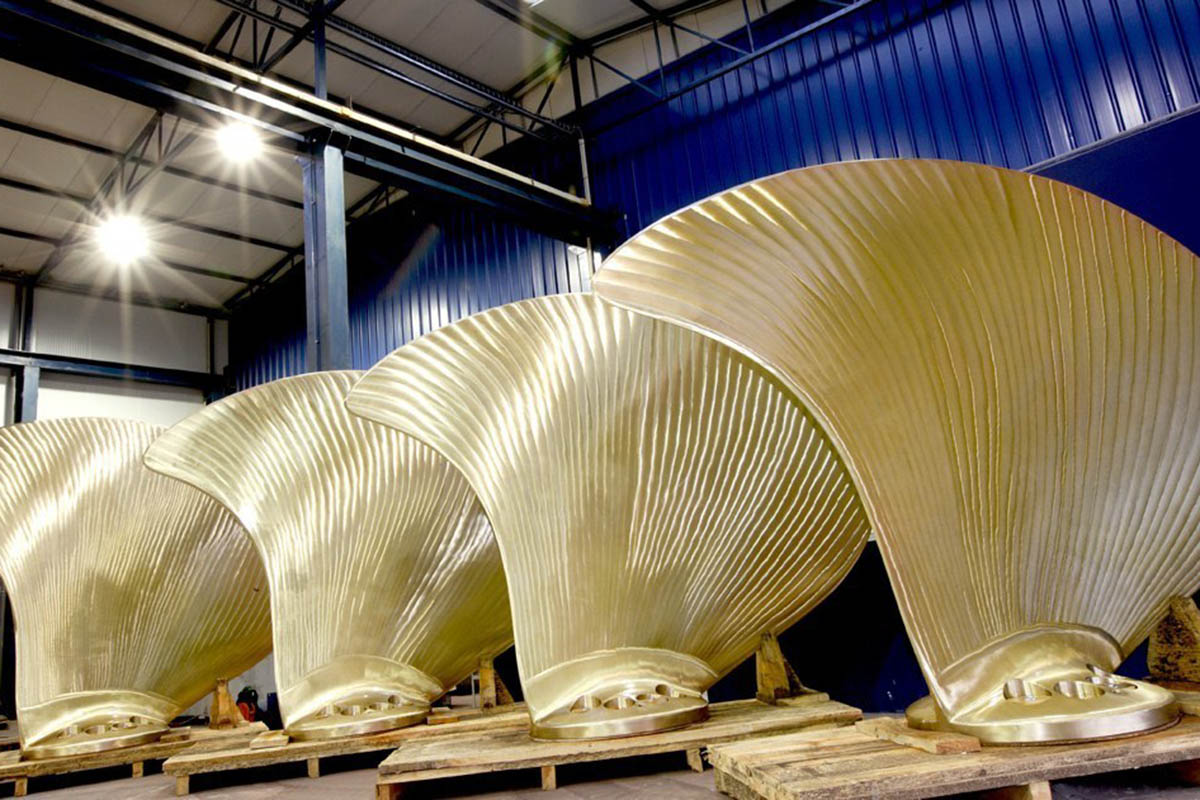
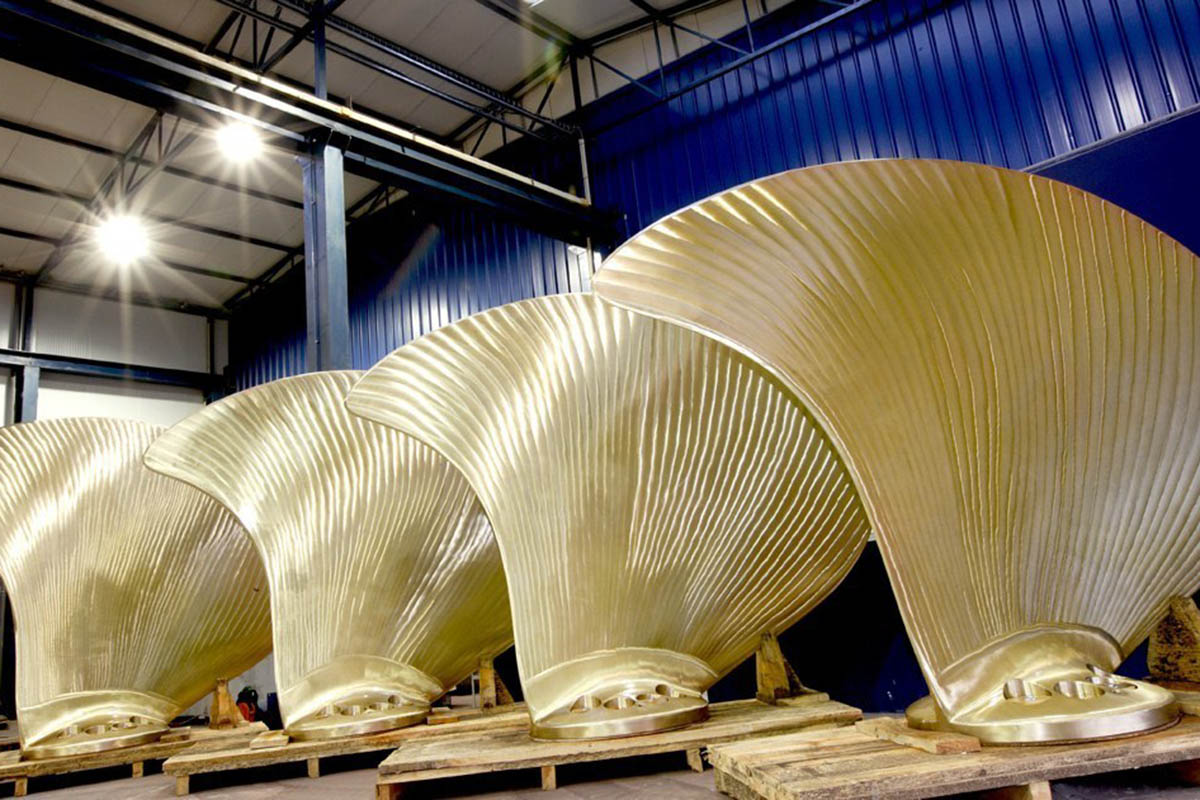
Fundilusa is outstanding for its product flexibility and versatility. It has the capacity to produce blades of up to eight tons and to manufacture units in Class II, I and Class S in bronze.
Stainless-steel blades are one of the specialities of the brand, engineered for controllable-pitch systems and demanding service conditions where bronze is not the right answer. They are cast and machined in the same works, so bronze and stainless can be quoted together.
TECHNICAL SPECIFICATION
Max. weight
8 t per blade
Classes
II · I · S
Materials
Bronze alloy · Stainless steel
Machining
100% CNC
Application
FPP & CPP systems
FAQ
Blades, in detail.
How heavy a propeller blade can Fundilusa produce?
Up to 8 tons per blade. The limit is per individual blade, so a complete built-up propeller assembled from those blades can therefore be considerably heavier than 8 tons.
Which materials are used for blades?
Class II, Class I and Class S bronze alloys, plus stainless steel. Stainless-steel blades are one of the specialities of the brand.
Are the blades for controllable-pitch propellers?
Yes. Blades are engineered for controllable-pitch (CPP) systems and demanding service conditions, and are also used in built-up fixed-pitch propellers where a monobloc casting is not practical.
Why choose separate blades over a monobloc propeller?
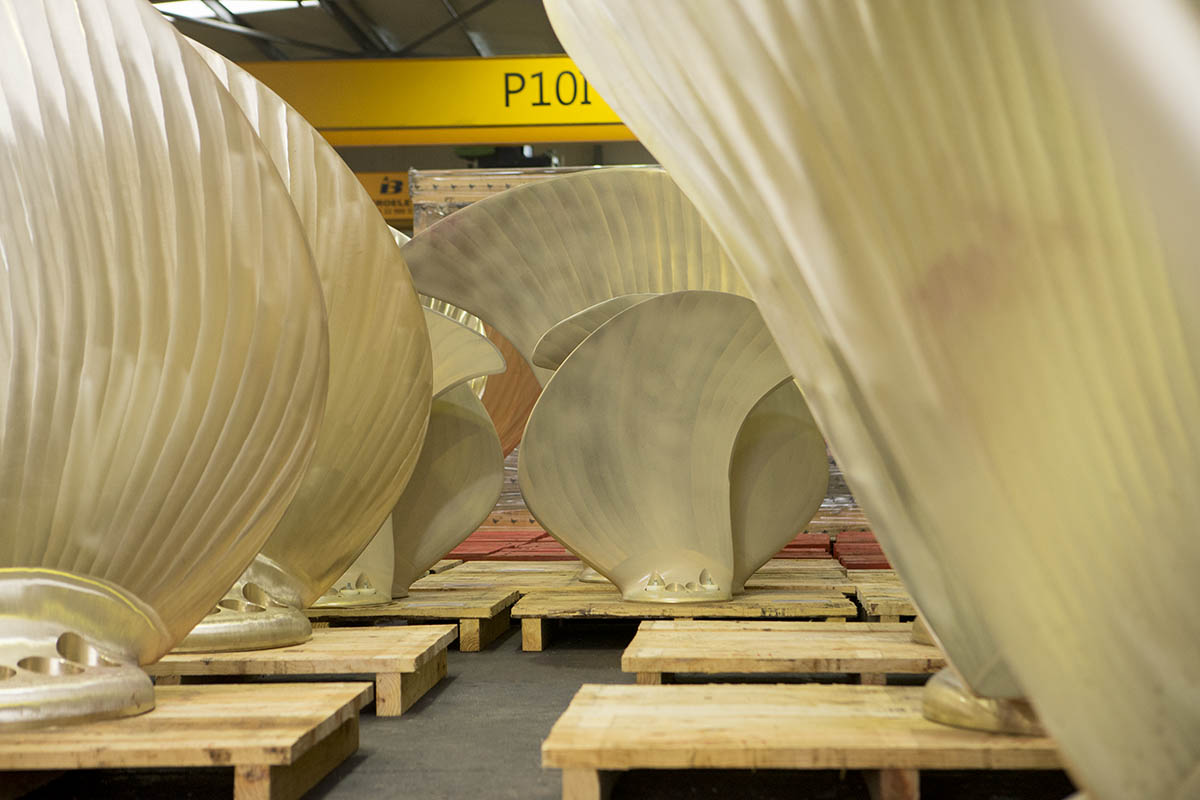
Individual blades can be transported and handled more easily, replaced singly after damage, and combined in different materials or geometries. That flexibility is the reason built-up and controllable-pitch designs are specified on larger vessels.
Are the blades machined and balanced?
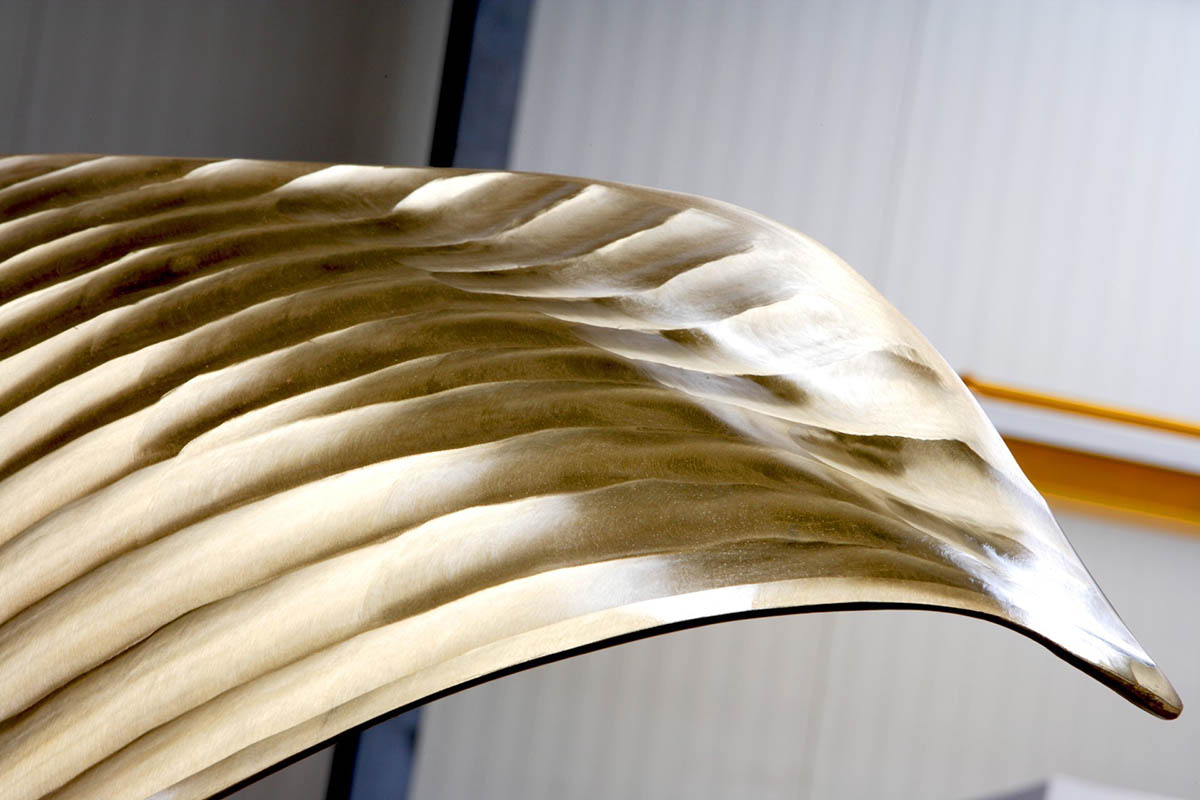
Blades are 100% CNC machined, then finished in the grinding and polishing workshop where the hydrodynamic surfaces are given their final geometry before assembly and dynamic balancing.
More products